Easy Maintenance Patio Solutions for Dublin Gardens

A garden that is easier to maintain starts with a practical layout: clear routes, manageable planting areas, sound paving joints and drainage suited to the site. The aim is to reduce awkward jobs, not promise a garden that looks after itself.
This guide focuses on planning the patio and the space around it for everyday use in Dublin. Start by listing the jobs you want to reduce, such as mowing narrow strips, moving pots to clean, or clearing soil from paving. For a detailed comparison of surfaces, use our separate guide to the best patio materials for Irish weather.
Choose Surfaces Around How You Use the Garden
Choose the surface after deciding where you will sit, walk, store bins and keep planting. A continuous, easily reached area is usually more practical to sweep than a patchwork of tight corners and small gaps.
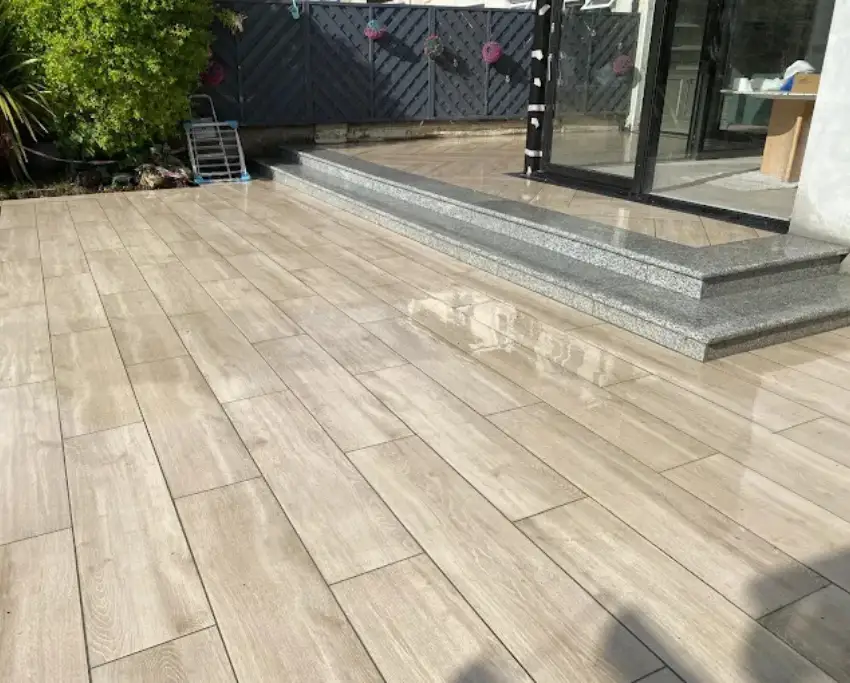
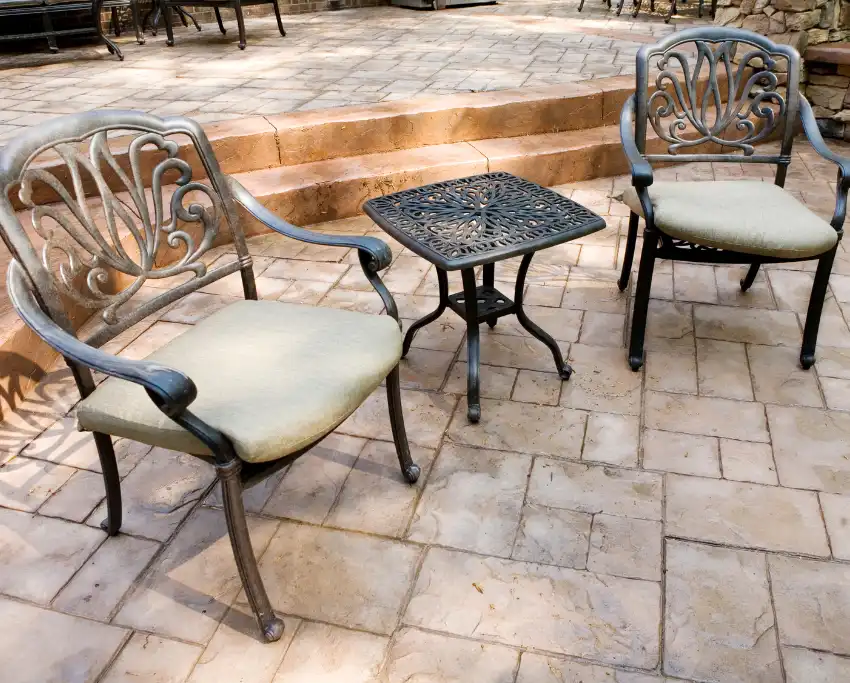
- Main seating and walking areas: Outdoor porcelain paving and concrete patio slabs are options to discuss alongside finish, grip, jointing and budget. Both need maintenance; porcelain can still collect dirt and algae, particularly in shade.
- Gravel areas: Plan firm edging and consider how furniture, bins or wheeled equipment will move across the surface. Gravel can let water through its surface, but drainage still depends on the underlying construction and soil. It can pond, collect organic debris and support weed or moss growth. It needs occasional raking and cleaning.
- Decking areas: Allow access for cleaning around and beneath the edges where practical. Composite products also need care; follow the chosen manufacturer’s cleaning and installation guidance.
No surface removes the need to deal with shade, leaf litter and water. LTP’s porcelain maintenance guidance also explains why algae can accumulate on outdoor porcelain.
Designing a Low-Upkeep Layout
Sketch the garden before choosing paving colours. Mark doors, gates, drains, the shed, bins and the areas you actually use. Then check the routes between them.
Keep Everyday Routes Clear
Allow room to move chairs, bins and garden tools without crossing planted beds or shifting furniture. Avoid placing pots where they block access to drains or create corners that are difficult to sweep.
Simplify Lawn Edges
If you keep a lawn, favour a manageable shape with accessible edges. Reducing awkward strips can shorten mowing and edging work, but it does not change how quickly the remaining grass grows. Keep the lawn area you use rather than paving over the whole garden by default.
Plan Levels and Drainage Early
Check where water currently collects and how it will leave the finished patio. Falls, outlets and the ground below the surface need to work together. Gravel, porcelain or a membrane alone cannot guarantee a flood-free garden. An installer should assess levels near doors, the drainage route and the site’s ground conditions.
Keep Soil and Loose Stone Off the Paving
Use suitable edging between beds, gravel and walking areas. Keep drain covers accessible and specify a jointing system suited to the paving. Sound joints can make upkeep easier, but they do not make a patio weed-proof.
Make Planting Beds Reachable
Raised beds can make some gardening tasks easier to reach when their width and height suit the person using them. They still need suitable drainage, watering and weeding. Avoid narrow spaces behind beds that cannot be reached for cleaning.
For a built example combining these elements, see the granite patio and raised beds in Clonsilla in our recent patio projects.

Keep Planting Manageable
Choose plants for the actual light, soil and available space. Check their mature size before planting beside paths or seating, and keep the number of different care routines manageable. Native plants can be useful choices, but they are not automatically maintenance-free.
| Planting choice | Check before planting | Allow for ongoing care |
|---|---|---|
| Shrubs | Mature height and spread beside paths and windows | Watering while establishing and pruning where needed |
| Climbers | Support, mature spread and access to the wall or fence | Training and trimming; ivy still needs managing |
| Raised beds | Reach, soil depth and drainage | Watering, weeding and replenishing mulch as needed |
| Pots and containers | Space to move them and access to water | Watering and clearing debris beneath them |
Leave enough room for plants to grow without spreading across the main walking route. Plan access for watering and pruning from the outset. The RHS advice on low-maintenance gardening offers further guidance on matching planting and layout to the work you can manage.

Make Seating and Storage Easy to Use
Keep the area around seating accessible for sweeping and give cushions, tools and cleaning equipment a sensible storage place. Check that storage lids and doors can open without blocking the main route.
- Furniture: Choose pieces you can move when cleaning, with care instructions you are willing to follow.
- Covered areas: A roof or awning adds its own cleaning and maintenance. Plan where roof water will go and keep gutters or outlets reachable.
- Parasols and awnings: Follow the manufacturer’s fixing, ballast and wind-limit instructions. Do not assume a few loose paving slabs will make a parasol secure.
- Bench storage: Allow for ventilation, access and cleaning rather than treating built-in seating as maintenance-free.
Plan the Work and Budget Around the Site
Ask for a quote that explains the preparation as well as the finished surface. Compare like-for-like scopes: removal of existing material, excavation, base construction, levels, drainage, edging, jointing and waste removal.
Access through a narrow side passage, changes of level or failed existing paving can affect both the work and the cost. Ask what aftercare the chosen surface and joints will need. Confirm timing after the site has been assessed rather than relying on a standard number of days.
Use our patio cost guide for budget planning, then discuss your layout through our patio installation service.

A Simple Upkeep Plan
A useful low-maintenance design should make the remaining jobs easier to do. Keep a short routine:
- Remove leaves and soil before they build up, especially in shaded corners.
- Check drainage outlets after heavy rain and keep them accessible.
- Pull small weeds and inspect joints before problems spread.
- Clean according to the paving supplier’s instructions; our patio slab cleaning guide explains the differences between materials.
- Review planting, furniture and storage when access becomes awkward.
The right layout reduces unnecessary work, but it does not eliminate cleaning, weeding or drainage checks. If you are planning changes, contact our team to discuss the site, access and the jobs you want to make easier.
FAQs
How Do I Plan a Low-Maintenance Garden?
Start with the jobs you find difficult, then plan clear routes, reachable beds, manageable lawn edges and accessible drainage. Choose the paving once those decisions are clear. A practical layout can reduce avoidable work, but every garden needs some care.
Can a Patio Be Completely Maintenance-Free?
No. Every outdoor patio needs some sweeping, cleaning and inspection. Shade, nearby planting, surface finish and drainage all affect upkeep. A low-maintenance design makes these jobs simpler rather than removing them.
Will Gravel Stop a Garden from Flooding?
No. Gravel can allow water through the surface, but the soil, base construction and drainage route determine what happens beneath it. Ponding can still occur. Assess the ground and existing water problems before choosing a gravel area.
Can Algae Grow on Porcelain Paving?
Yes. Dirt and organic matter can collect on porcelain, and algae can develop on the surface, particularly in damp or shaded areas. Low water absorption does not make the patio self-cleaning. Follow the paving supplier’s cleaning advice.
What Should a Low-Maintenance Patio Quote Include?
Ask for a clear scope covering preparation, materials, levels, drainage, edging, jointing, access and waste removal. Include the expected aftercare. Compare the same work across quotes rather than relying only on a price per square metre.
Planning a Garden That Is Easier to Look After?
Driveways & Patios Dublin is led by Zim, with over 20 years of hands-on driveway, patio and paving experience. Tell us how you use the garden and what makes maintenance difficult so we can discuss a practical paving layout for your property.
Call 086 458 3274 or email contact@drivewaysandpatiosdublin.ie.
4.9 verified by TrustindexTrustindex verifies that the company has a review score above 4.5, based on reviews collected on Google over the past 12 months, qualifying it to receive the Top Rated Certificate.